

Transit Custom planning
Ford Transit Custom window buying guide
Start with the generation, then choose each pane by wheelbase, side and panel position. Build a shortlist around your conversion layout and the exact product compatibility.
Shop 2012-2023 Transit Custom windows
Seasonal offers
Autumn Sale
Your next van upgrade, at a better price. Explore our Autumn Sale.
Confirm the fitment
Five details to put on your shopping list
Identify the generation first. The retained 2012-2023 range and later-generation range are separate shopping journeys.
Generation
identify the body and confirm the product’s stated compatibility.
Wheelbase
confirm SWB or LWB, particularly for rear-quarter windows.
Position
distinguish the front-side panel, a sliding door, the rear quarter and the rear doors.
Side and door arrangement
identify the physical side of the van and whether that position has a sliding door. Check twin-sliding-door arrangements individually.
Rear doors
specify a tailgate or a pair of barn doors. Check any existing wiper, heater or other features with the team.
Find your fit
Explore the exact generation and pane
Selected examples show the generation split and the door/wheelbase checks. They are not interchangeable panes or a tested package. Check each listing and option before ordering.
2012-2023: tailgate and rear-quarter examples
-
-
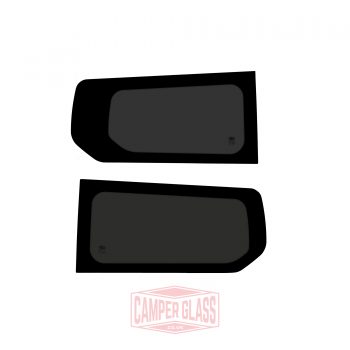
Ford Transit Custom – Fixed Windows – Rear Quarter – SWB – Pair – Privacy Glass
In stock£169.90£161.41
2024 onwards: a separate generation
-

Ford Transit Custom 2nd Gen (2024-) Flush Sliding Window – Driver/Passenger Side – SWB/LWB – Privacy Glass
Multiple options availablePrice range: £239.95 through £479.90
Price range: £227.95 through £455.91
Transit Custom questions
Generation, window-style and fitting answers
How do I distinguish the two Transit Custom generations?
Camper Glass lists first-generation Transit Custom windows under 2012-2023 and second-generation windows under 2024 onwards. The first-generation passenger sliding window and rear-quarter listings explicitly exclude the new 2024+ models. Keep these ranges separate when shopping.
If your van was registered around a model change, compare its body with the listing photographs and send the team photographs before ordering. Do not assume that a registration year resolves the generation. The larger Ford Transit also has its own range: Transit Custom glass should not be selected for it simply because both vehicles carry the Transit name.
Should I choose fixed or sliding glass for each position?
Fixed privacy glass for light and a view
Fixed windows suit positions where you want to see out without an opening mechanism. They do not provide an opening for fresh air, so plan ventilation elsewhere. A conversion can combine fixed and opening panes rather than using the same style everywhere. Check whether a listing supplies one pane or a pair, and which side each pane fits.
Sliding glass for an opening section
A sliding window can be useful beside a seating or sleeping area. Check access to its latch and the space left by furniture, blinds and trim. The first-generation passenger sliding-door window is described as a front-opening slider with a lower latch and a recessed finish. Its listing identifies the passenger sliding-door position and 2012-2023 compatibility.
That specific listing is a helpful example, not evidence that every slider fits every door or generation. Check the equivalent driver-side product separately. Close and secure opening windows in accordance with their instructions before driving. An opening pane is one part of the conversion’s ventilation plan, not proof that the whole interior has adequate ventilation.
Flush sliding options for the newer generation
The 2024-onwards range includes a second-generation flush sliding window with driver-side, passenger-side and pair options. Compare the actual product’s opening mechanism, finish and selected side with the conventional sliding options in that range. Do not infer that an option shown for the second generation is interchangeable with first-generation glass.
The shared window buying guide explains the wider fixed and opening comparison. Use this page for the additional Transit Custom fitment decisions.
Why must rear-quarter glass match SWB or LWB?
The first-generation catalogue has separate SWB rear-quarter pairs and LWB rear-quarter pairs. Both listings describe glass for the panels above the rear wheel arches, but they are different wheelbase-specific products. A front-side pane that fits your van does not establish the fitment of a rear-quarter pane.
Think about the interior before choosing those windows. Glass beside an unobstructed seat can provide a useful view. Glass behind tall storage may contribute more to the exterior appearance than to daylight inside. Discuss the fitting arrangement before cutting any panel, and check the individual position even when buying a set.
How do tailgate and barn-door windows differ?
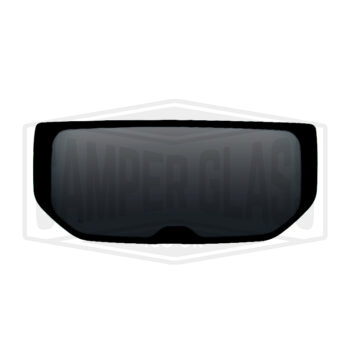
The 2012-2023 tailgate privacy window listing supplies one rear-door pane and explicitly says it is unsuitable for barn-door models. A pair of rear barn doors requires the corresponding products. The newer generation also has separate tailgate and barn-door listings.
If you are replacing factory glass, ask the team to confirm the features you need. Do not assume that every privacy pane reproduces an existing rear wiper or heated-screen arrangement. Check the exact listing and photographs, and resolve any uncertainty before ordering.
Will privacy glass keep the interior private at night?
Privacy glass retains a view through the pane. When the van is illuminated inside after dark, it does not guarantee that people outside cannot see in. Plan blinds or curtains for sleeping and changing. The first-generation sliding-window listing describes stained privacy glass rather than an applied film; that construction detail does not remove the need for night-time screening.
Use the privacy and blackout comparison if you also want an opaque exterior panel. Availability and fitting method must be checked for the exact vehicle and product. Avoid choosing an opaque panel where you expect daylight or a view.
What fitting kit and trim should I allow for?
A window listing, optional kit and separate accessory are different items. The first-generation passenger slider describes an optional fitting kit, while the range also lists single and double fitting kits and several trims. Confirm what your chosen purchase includes and which trim belongs at that position. A trim appearing in related products does not by itself prove it is the right one for your installation.
Ask the team or your fitter to confirm the adhesive system, preparation products and quantities. Follow the product and bonding-system instructions for surface preparation, working conditions and curing. Inspect the glass and mechanism before cutting or bonding. The fitting guide helps explain the process, alongside the instructions for your actual vehicle and materials.
Five reasons to choose Camper Glass
Your windows. Our expertise.
Research and development, first-hand experience and support beyond the sale.
Know who you’re buying from
The Camper Glass difference
- Developed by us. Understood by us.
- We invest in R&D and production tooling, so we understand how our windows are designed, made and fitted.
- 5-year window warranty
- Backed by a team that knows our windows.Subject to window warranty terms.
- Choice, backed by expertise
- A wide vehicle range and direct automotive manufacturer relationships.Check product-specific compatibility.
- A team you can talk to
- Showroom visits and fitting support, before and after purchase.Check opening hours before visiting.
- Our Price Promise
- Bring us a lower UK price for the same product before ordering.Subject to Price Promise terms.
Find the right windows, with the right support.
Find windows for my vanMore than a pane of glass
Why choose us over a competitor?
A window is only part of your purchase. Choose the knowledge and support behind it, too.
- Know what sits behind the glass
- The development work and first-hand knowledge matter, not just how a window looks.
- More than a warranty headline
- You need to know who will help if a question or issue arises.
- Avoid the wrong fit
- Your vehicle, generation and panel position all matter to the choice.
- Don’t leave support to chance
- Questions can arise during fitting. A real team and showroom give you somewhere to turn.
- Keep value and support together
- Bring a competing price to us before ordering. We’ll check it against our Price Promise terms.
Our team can help you choose. Please confirm vehicle compatibility and read the relevant product and warranty terms before ordering.
Build your shortlist
Three practical Transit Custom layouts
- A first-generation day van: identify the generation and the desired front-side positions, then compare fixed panes with sliders where an opening will be useful. Keep the rear-door choice separate.
- An LWB camper with seating and rear storage: check the front-side glass first, then assess each LWB rear-quarter position against the furniture layout. Specify LWB on every rear-quarter item.
- A second-generation van with twin sliding doors: start in the 2024-onwards range and check both physical sides and door positions. Compare selected options individually before adding a pair to the basket.
These are planning examples, not tested conversion packages. The useful choice is the one that fits the van and serves its layout. Use live product prices and stock information when making the final comparison.
Send Camper Glass the generation, wheelbase, rear-door type, physical side and intended window position. Include photographs and the links you are comparing, and explain whether you want a view, an opening section or an opaque panel. Confirming these details first is more useful than choosing a window on style alone.
Browse the 2012-2023 range or the 2024-onwards range, then check every exact product and option before placing the order.
Continue planning
Buying, fitting and vehicle ranges
Use the shared guidance alongside the exact vehicle-generation and pane checks.